A Practical Guide to Sleep-Optimized Bedding Materials with The Clean Bedroom
Exploring how bedding materials influence comfort, temperature regulation, and sleep quality, this guide compares options from real brands in our catalog and offers practical tips for renters and homeowners seeking a healthier sleep environment.
In the quiet hours of the night, the materials that touch our skin—sheets, pillowcases, comforters, and even the bed skirt—play a decisive role in whether we drift easily into rest or lie awake counting sheep. The bedroom is a sanctuary, a space where the science of sleep meets everyday life. The Clean Bedroom approaches this intersection with a practical, evidence-informed lens, offering material choices that emphasize breathability, moisture management, temperature regulation, and easy care. This guide distills what matters most when selecting bedding for improved sleep, and it highlights materials you can trust in real-world settings—whether you rent a compact apartment or own a family home.
Understanding the core materials: cotton, linen, and wool
Three fibers dominate the conversation about breathable, comfortable sleep textiles: cotton, linen, and wool. Each brings distinct advantages, and the best choice often depends on climate, personal comfort, and care preferences.
Cotton, long a staple of bedding, is celebrated for its softness and versatility. The thread count myth is nuanced: quality matters more than a single numeric figure. A well-made cotton sheet with an appropriate weave can deliver a cool, breathable sleeping surface that becomes increasingly comfortable with use. Pima or Egyptian cotton can offer superior softness and durability, while regular cotton blends may emphasize easy care and resilience.
Linen, derived from flax fibers, shines in warm environments. It wicks moisture efficiently and dries quickly, which helps maintain a cooler feel during hot nights. Linen’s textured surface can be drier to the touch but often softens with repeated wash-and-wear. It is also naturally durable and becomes more supple as it ages.
Wool, including high-quality wool blends and felted options, delivers temperature regulation that can be advantageous year-round. Wool fibers trap air and retain warmth in cooler periods while still channeling moisture away from the skin when temperatures rise. Wool is often naturally hypoallergenic and resistant to bacteria and dust mites, making it appealing to sleepers with sensitivities.
The Clean Bedroom and Sleep and Beyond: a materials-focused lens
The Clean Bedroom champions product choices that prioritize comfort, longevity, and environmental responsibility. Their catalog showcases bedding and related textiles that balance feel, performance, and care requirements. Sleep and Beyond, as described in their product lines, highlights natural fibers—some of which emphasize wool and natural wool blends—designed to regulate temperature and support restful sleep. The emphasis across both brands centers on materials that promote breathable sleep surfaces, excellent moisture management, and durable construction that can withstand regular washing without compromising loft or structure.
Practical guidelines for choosing bedding by climate and living situation
Renters and homeowners face practical constraints: varying washing facilities, seasonal changes, and sometimes limited storage. The following guidelines translate material science into everyday decisions that can be enacted without a full redesign of a bedroom.
- Warm climates or hot sleepers: Favor breathable cotton sheets with a lightweight weave, and consider linen for its superior moisture-wicking action. A lightweight duvet or comforter with a breathable shell enhances comfort without trapping heat.
- Cool climates or cold sleepers: Layering becomes your ally. A cotton or linen sheet set beneath a warmer wool or cotton-wool blend comforter can create an adaptable balance between warmth and breathability. A duvet with a higher loft or a light down alternative can provide warmth without excessive weight.
- Allergy considerations: Hypoallergenic cotton threads, tightly woven fabrics, and natural fiber options with anti-microbial or dust-mite-resistant properties support a healthier sleep surface. Consider pillow and duvet covers in cotton or linen with clean finishes that minimize irritants.
- Care and maintenance: Ease of washing often correlates with fiber selection. Cotton and cotton blends are typically machine washable and durable. Linen may require gentler treatment but remains resilient. Wool generally benefits from specialized care, though many modern wool blends and wool-filled comforters offer machine-friendly care instructions.
- Layering strategy: Build year-round comfort with a set of breathable sheets for summer, an additional mid-weight blanket or duvet for shoulder seasons, and a warmer comforter for winter. Layering enables quick adjustments to sleep temperature without buying multiple oversized products.
Brand-backed recommendations from The Clean Bedroom catalog
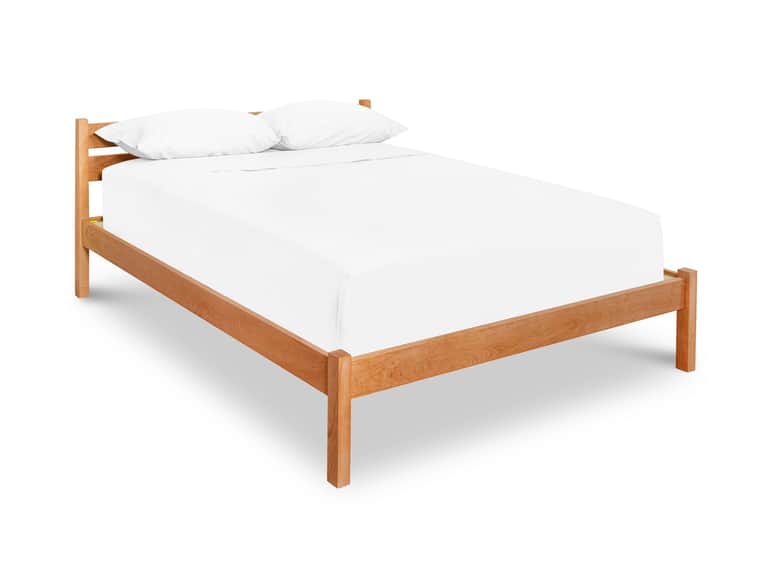
The Clean Bedroom curates products designed to align with sleep-conscious living. The Vergennes Platform Bed (crafted in Vermont from solid hardwoods with a natural oil finish) provides a solid, durable foundation that complements a breathable bedding strategy. Its timeless, understated design helps create a calm sleep environment that supports temperature and air circulation in a well-ordered space. The bed’s robust construction ensures a stable basis for year-round comfort as you layer fabrics that regulate warmth and moisture more effectively.
Across the bedding spectrum, options like The Clean Bedroom’s down pillows and comforters present varied lofts and fill powers to match sleep posture and climate. Down-filled bedding can offer a balance of warmth and loft, while mindful sourcing and care preserve loft and longevity. For renters who frequently adjust living spaces, a lighter-weight comforter paired with breathable sheets can offer flexibility without sacrificing sleep quality.
Maintenance tips to preserve loft and hygiene
A durable, sleep-optimized environment relies on simple, repeatable care routines. Here are actionable steps to preserve the performance of your bedding materials over time:
- Follow care labels meticulously. For many natural fibers, washing in warm or cool water with a gentle cycle preserves fiber integrity while removing oils and perspiration buildup.
- Avoid overloading the washing machine, which can lead to uneven cleaning and increased wear on fabrics.
- Air-dry or tumble dry on low heat to minimize fiber damage and reduce shrinkage. For wool and wool blends, consider air-drying as recommended to protect fill and shell.
- Keep loft by periodically redistributing fill in comforters and pillows. A gentle shake and even distribution help maintain warmth and shape.
- Store bedding in a breathable environment. Use cotton storage bags or wrap linens in a clean cotton sheet to prevent moisture buildup and maintain freshness between seasons.
A practical starter plan: 10 article ideas to guide your content roadmap
If you’re building a resource around sleep-optimized bedding, consider a structured rhythm that educates, informs, and helps readers implement changes. Here are ten article ideas with angles and formats that align with a non-commercial, guidance-first approach:
- Material Basics for Sleep Health: A primer explaining cotton, linen, and wool fibers, weaving, and finishes. Format: explainer with simple diagrams and a quick-start chart.
- Seasonal Sleep Layering: How to switch between sheets, blankets, and duvets across seasons. Format: how-to guide with a printable layering checklist.
- Breathability in Practice: Real-world tests of moisture wicking and temperature control in different climates. Format: comparison article with user-tested scenarios.
- Care That Preserves Loft: Maintenance routines for comforters, sheets, and pillows. Format: step-by-step guide with a maintenance calendar.
- Impact of Bedding Materials on Sleep Stages: A plain-language overview connecting material properties to sleep quality. Format: explainer with layperson-friendly science.
- Allergen-Safe Sleep Environments: Strategies to reduce irritants in the bedroom using natural materials. Format: myth-busting article with practical tips.
- Rental-Friendly Bedding Upgrades: Non-permanent changes renters can make to improve sleep comfort. Format: listicle with budget-friendly ideas.
- Eco-Conscious Production and Ethics: How natural fibers are sourced and what to look for in responsible brands. Format: feature with brand transparency focus.
- Sleep Wellness Routines: How bedding supports circadian health, including routines that pair with lighting and temperature adjustments. Format: guide with checklists and timelines.
- Myths vs. Facts: Bedding Edition: Debunking common beliefs about thread counts, fabric weight, and care. Format: myth-busting Q&A.
Measured conclusions for readers
Ultimately, the goal is to empower readers to make bedding choices that feel right in their own rooms and lives. The best materials for sleep are not one-size-fits-all; they are the ones that balance comfort, climate readiness, care practicality, and personal preference. The Clean Bedroom’s approach—grounded in evidence, attentive to real-world routines, and mindful of the environmental footprint—offers a steady compass for building a healthier sleep environment. Material science becomes approachable when it translates into daily habits: layering thoughtfully, selecting breathable fabrics, and maintaining textiles that preserve loft, cleanliness, and comfort without turning sleep into a science fair project.
In the end, the bedroom should be a sanctuary where the body can settle into rest, with textiles that support temperature regulation, moisture management, and gentle, unobtrusive support. By anchoring decisions in the relationship between fiber, weave, finish, and care, sleepers can cultivate environments that honor both science and everyday life. The Clean Bedroom invites you to explore the quiet power of well-chosen bedding—materials that do more than cover the bed; they help cradle a better night’s sleep.
Product spotlight: Vergennes Platform Bed and complementary pieces
A refined sleep sanctuary starts with a solid foundation. The Vergennes Platform Bed, handmade to order in Vermont from solid hardwoods such as Cherry, Maple, or Walnut, offers a durable, timeless base for a sleep environment built on stability and understated elegance. The natural oil finish protects the surface while highlighting the wood’s grain, ensuring the bed ages gracefully alongside your bedding. This platform bed serves as a versatile anchor for layering breathable sheets and light yet effective warmth in the form of duvet covers and comforters tailored to climate and preference.
For readers who appreciate traditional craftsmanship with contemporary restraint, the Contemporary Craftsman High Footboard Bed and similar solid-wood options in the catalog extend the same philosophy: robust construction, natural finishes, and a timeless profile that pairs well with a thoughtful sleep environment. When paired with breathable bedding, these beds contribute to a room that feels calm and balanced—an essential feature of any sleep-optimized space.
All furniture and textiles in this ecosystem are chosen to support the sleep health ethos: materials that breathe, finishes that minimize off-gassing, and a design language that reduces visual noise. The aim is not to sell a product, but to offer a cohesive, evidence-informed set of choices that empower individuals to craft a bedroom that supports restful, restorative sleep.
The Clean Bedroom philosophy in brief
A calm, evidence-based resource dedicated to optimizing the bedroom environment for healthier sleep. Materials, layering, and care converge to form spaces that feel comfortable, hygienic, and durable.
Care and maintenance mindset
Prioritize gentle washing, proper drying, and loft preservation. Small, consistent routines sustain the performance and feel of bedding across seasons and years.
Product availability and links refer to The Clean Bedroom catalog. For more information about specific bedding items like Vergennes Platform Bed or other solid-wood frames, consult the product pages directly in the catalog.